Best Seller Icon Bestseller

Diploma IN A/C & Refrigeration(M-A&R-8948)

  • Last updated Feb, 2026
  • Certified Course

Course Includes

  • Duration1 Years
  • Enrolled0
  • Lectures300
  • Videos0
  • Notes0
  • CertificateYes

What you'll learn

The Air Conditioning and Refrigeration (A/C & Refrigeration) course is a one-year technical training program designed to provide students with the knowledge and practical skills required to install, maintain, service, and repair air conditioning and refrigeration systems used in homes, offices, and industries.

This course covers the basic principles of refrigeration, heat transfer, and thermodynamics. Students learn about different types of air conditioners such as window AC, split AC, inverter AC, and commercial refrigeration systems including refrigerators, deep freezers, water coolers, and cold storage units. The course also includes training in electrical components used in AC systems such as compressors, condensers, evaporators, thermostats, relays, overload protectors, and control circuits.

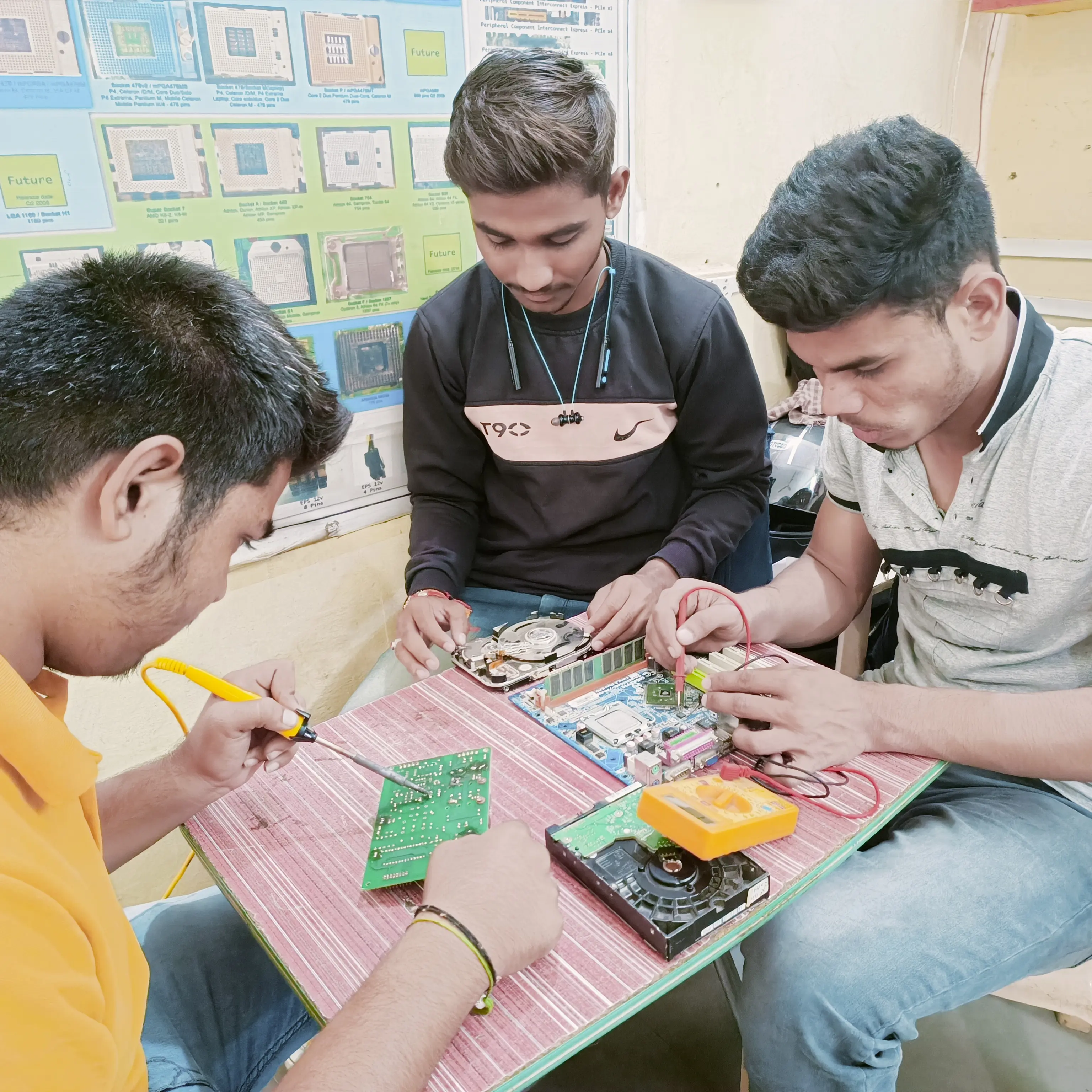
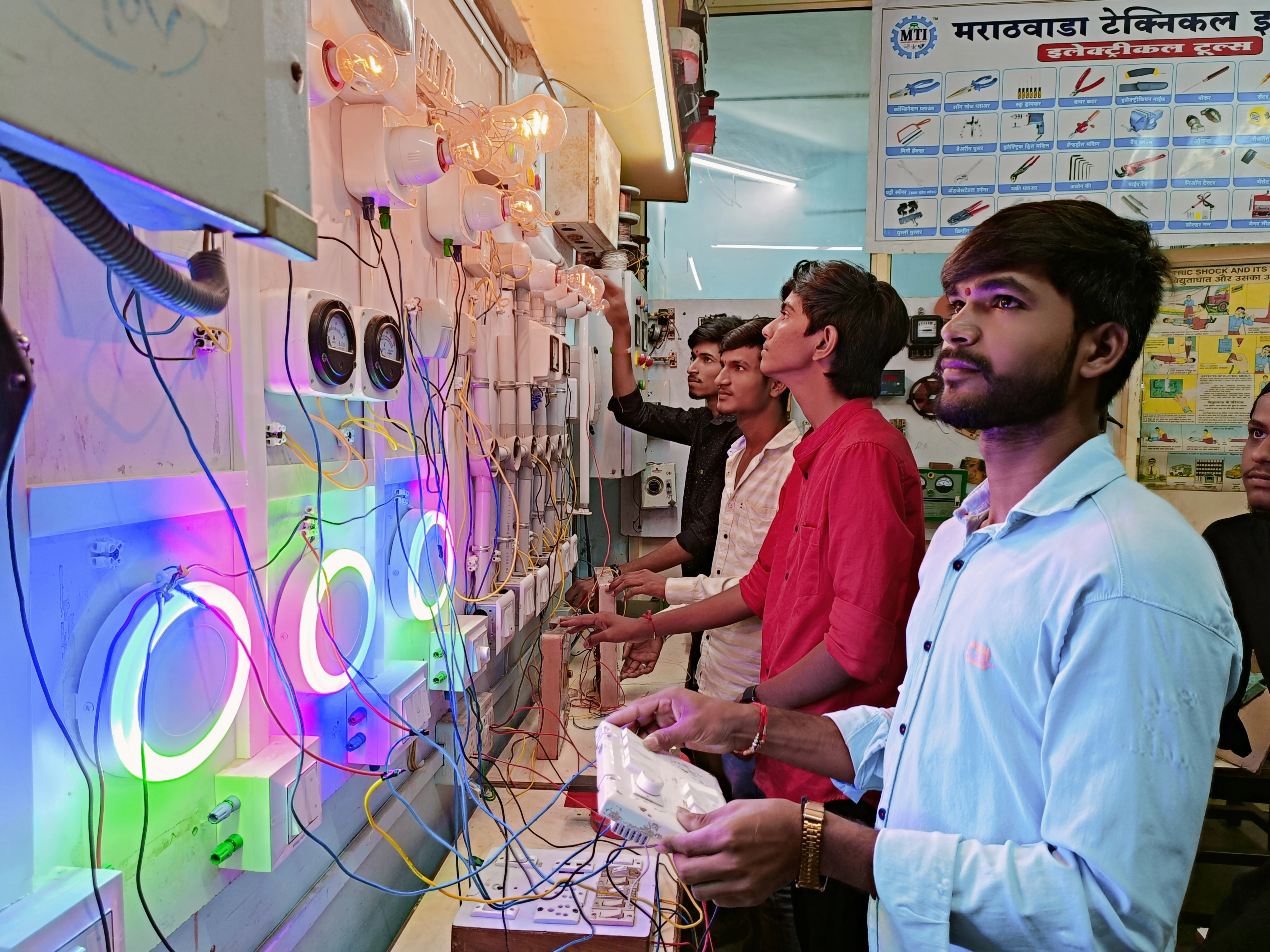
Students receive hands-on practical training in installation, gas charging, vacuuming, leak testing, electrical wiring, and troubleshooting of AC and refrigeration equipment. They also learn to use tools and instruments like manifold gauge sets, vacuum pumps, multimeters, and leak detectors. Safety procedures, proper handling of refrigerants, and environmental awareness are also important parts of the training.

After completing this course, students can work as AC Technician, Refrigeration Technician, Service Technician, Installation Technician, or Maintenance Technician. They can find job opportunities in AC service centers, HVAC companies, refrigeration industries, shopping malls, hospitals, hotels, and maintenance departments. Students can also start their own AC repair and service business.

Show More

Course Syllabus

A/C & Refrigeration 1 Year Course Syllabus

Duration: 1 Year (12 Months)

Training Type: Theory + Practical + Workshop + Project

Module 1: Basic Electrical Fundamentals

Theory:

  • Basic electrical quantities: Voltage, Current, Resistance, Power
  • Ohm’s Law and electrical formulas
  • AC and DC supply basics
  • Series and parallel circuits
  • Electrical safety and precautions

Practical:

  • Using multimeter
  • Measuring voltage, current, resistance
  • Basic wiring practice

Module 2: Basics of Refrigeration

Theory:

  • Introduction to refrigeration
  • Refrigeration cycle and principle
  • Heat, temperature, and heat transfer
  • Refrigerants and their properties
  • Pressure and temperature relationship

Practical:

  • Identification of refrigeration components
  • Study of refrigeration cycle model

Module 3: Refrigeration System Components

Theory:

  • Compressor (types and working)
  • Condenser (air cooled, water cooled)
  • Evaporator
  • Expansion devices (capillary tube, expansion valve)
  • Filter drier and accumulator

Practical:

  • Component identification
  • Compressor testing
  • Relay and overload testing

Module 4: Refrigeration Tools and Instruments

Theory:

  • Manifold gauge
  • Vacuum pump
  • Leak detector
  • Charging cylinder
  • Tube cutter, flaring and brazing tools

Practical:

  • Using manifold gauge set
  • Vacuuming process
  • Leak testing methods

Module 5: Domestic Refrigerator System

Theory:

  • Working of refrigerator
  • Refrigerator electrical circuit
  • Thermostat working
  • Defrost system

Practical:

  • Refrigerator wiring
  • Fault finding and troubleshooting
  • Compressor starting test

Module 6: Air Conditioner Fundamentals

Theory:

  • Introduction to air conditioning
  • Types of AC: Window AC, Split AC, Inverter AC
  • Air conditioning cycle
  • Cooling load basics

Practical:

  • Identification of AC components
  • Electrical testing of AC

Module 7: Split AC Installation and Service

Theory:

  • Installation procedure
  • Refrigerant piping basics
  • Electrical wiring diagram
  • Safety procedures

Practical:

  • Split AC installation practice
  • Gas charging
  • Vacuuming
  • Leak testing

Module 8: Refrigerant Charging and Gas Handling

Theory:

  • Types of refrigerant gases (R134a, R22, R410A, R32)
  • Charging methods
  • Gas safety precautions

Practical:

  • Gas charging using manifold gauge
  • Vacuum pump operation

Module 9: Maintenance and Troubleshooting

Theory:

  • Common faults in AC and refrigerator
  • Preventive maintenance
  • Electrical fault diagnosis

Practical:

  • Fault finding practice
  • Component replacement
  • System testing

Module 10: Project and Industrial Practice

Practical Project Examples:

  • Refrigerator wiring project
  • AC electrical circuit project
  • Gas charging demonstration
  • Fault diagnosis project

Additional Skills Included:

  • Brazing and piping practice
  • Electrical wiring skills
  • Safety and tool handling
  • Basic customer service skills
  • Workshop and field training

Career Opportunities After Course:

  • AC Technician
  • Refrigeration Technician
  • HVAC Technician
  • Service Technician
  • Maintenance Technician
  • Self-employment (AC repair business)


Review

0.0
Course Rating (0 reviews)
0%
0%
0%
0%
0%


Call
Text Message
Review
Brochure
Email
CHAT